
Neuroaesthetics: Applying the science behind how a space feels
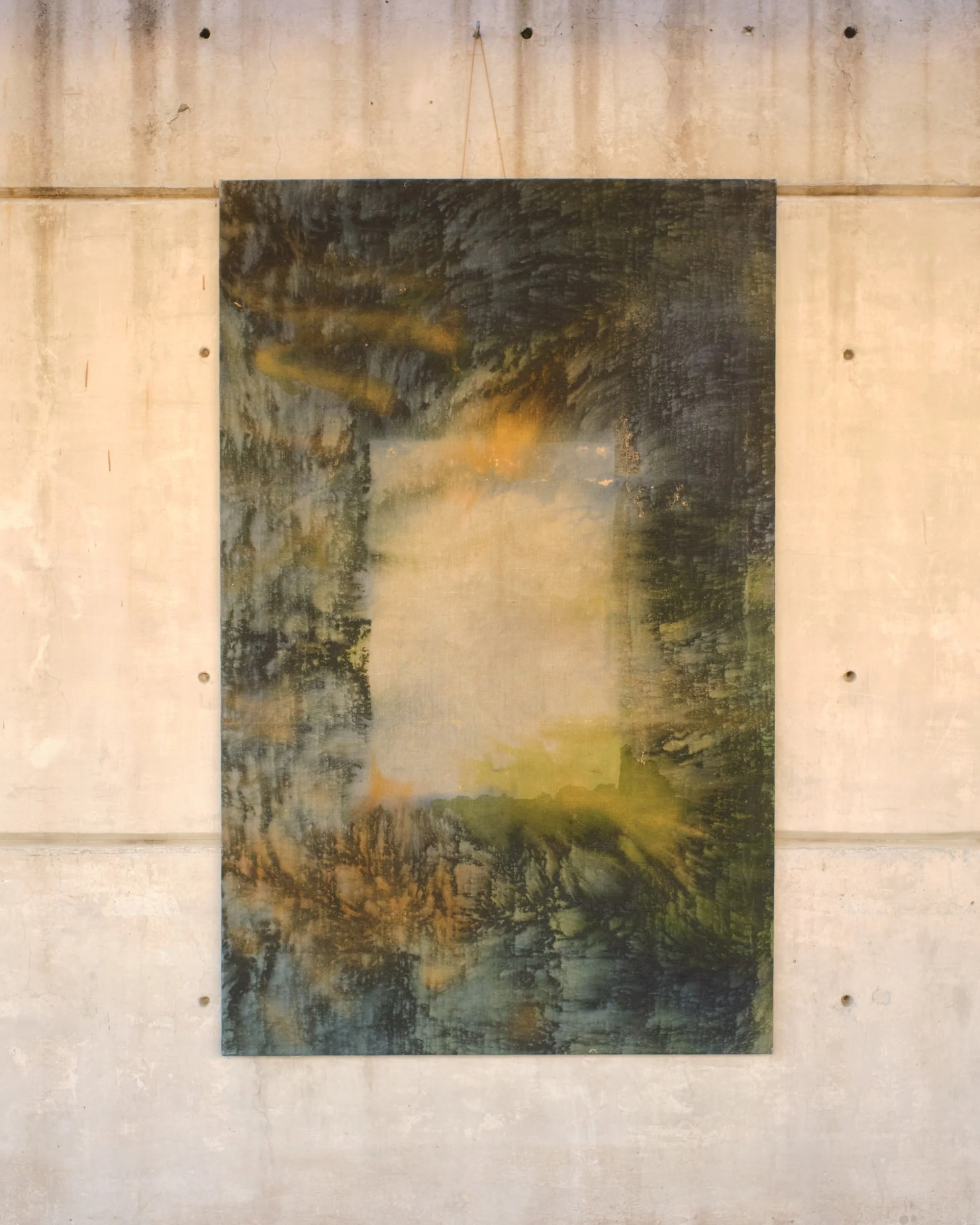
Where the Light Gets In // Chris Unwin
Antique Belgian Linen, Fabric Dye 165 x 104cm
Overview
The brain processes aesthetic environments as resources, not luxuries.
Thoughtfully designed spaces measurably reduce stress, improve cognitive performance, and deepen emotional connection.
For anyone building a space, hosting an experience, or making something a stranger has to feel — this is the substrate. Everything else is downstream of it.
Beauty isn't decorative. It's functional.
There is a field of research now called neuroaesthetics — the study of how aesthetic environments register in the brain before the mind can name them. The premise is straightforward: the room you are in right now is changing how you feel. The light, the proportions, the materials, the colors on the walls — your nervous system is reading all of it, well below the threshold of conscious thought.
This term is making the rounds online these days, giving language to something we’ve felt but never quite named and the science is finally measuring it. Having language and quantitative proof for the neuroaesthetic impact of a space allows is increasingly allowing for more considered spaces to be invested in and taken seriously, pariticularly in the wellness and hospitality sectors where guest experience is so paramount. Cultural shifts move this way: a thing is felt for a long time and once it gets named appropriately, a watershed shift occurs.
On a personal level once you know it, you can’t help but feel it. You start noticing which rooms restore you and which ones quietly drain you. You start understanding why some events feel charged and others feel flat. You start seeing art differently; not as decoration, but as transmission. Similarly, one begins to understand what a brand is on a deeper leveller, since it is the same mechanism operating across surfaces and contexts.
Design Hotels' recent cultural study on neuroaesthetics found that design decisions which evoke transformative experiences not only elevate our immediate surroundings, but nurture a profound sense of belonging, community, and wellbeing. It seems that the research is catching up to what the best artists and operators have always known.
What the research shows
Thoughtfully designed spaces produce a 15–20% reduction in stress hormones
Nature-inspired environments lower heart rate and blood pressure measurably
Spaces with natural light and organic patterns improve cognitive performance
Aesthetically coherent environments activate the brain's reward system — producing positive emotion and reducing stress at a neurological level
Wellness-designed residential properties command a 10–25% price premium over standard listings
Implication: Feeling is the Product
The felt quality of a space is no longer a soft asset; it’s the primary differentiator. Hospitality, and real estate companies that can intentionally engineer feeling will compound their advantage over time. Those that treat it as a finishing layer will be outpaced.
Learn more
If you’re creating a hospitality or real estate project to make people feel something profound, let's talk.
